
MEDICALLY LED CARDIFF
Dry skin and barrier repair in Cardiff
Tightness, flaking and skin stripped by over-treatment — repaired with a medically-led plan, assessed by a prescribing practitioner
Dry skin is treated as the simplest concern there is, which is why so many people never fix it. Reaching for a richer moisturiser addresses the symptom and not the cause, and the cause is usually one of two different things: skin that doesn't produce enough oil, or a barrier that can't hold onto water. Those need opposite products. Add in the number of people whose dryness is the direct result of an over-enthusiastic routine, and it becomes a concern worth diagnosing properly rather than guessing at.

MEDICAL-GRADE SKINCARE FOR DRYNESS AND BARRIER REPAIR
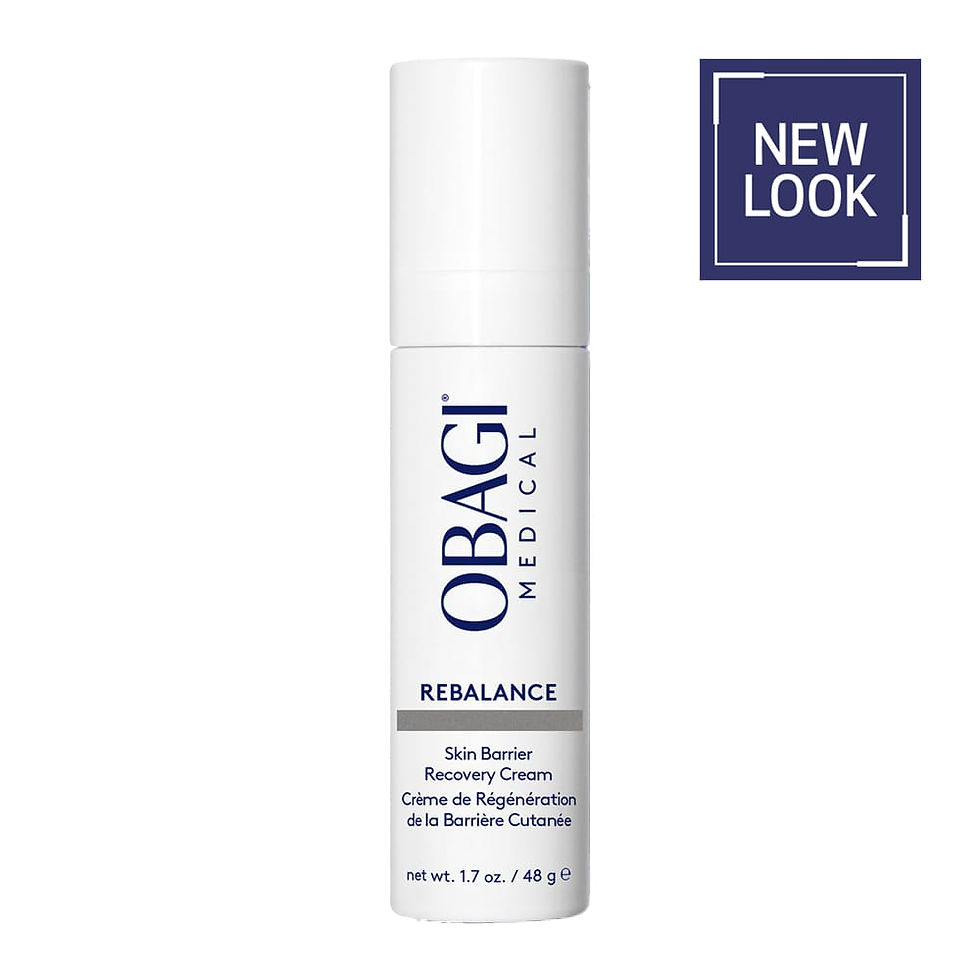
Barrier repair is the one concern where the right products do almost all of the work. We stock the hydrating and repairing ranges from Obagi Medical, Jan Marini and Medik8: ceramides, cholesterol and fatty acids to rebuild the lipid layer, hyaluronic acid and panthenol to hold water in the skin, and cream and oil cleansers that clean without stripping.
Some of the most effective options are prescription-only and aren't sold openly online; these are arranged after a consultation so your routine is matched to your skin and used safely. The products below are available to shop now — and if you're unsure what suits your skin, take our online skin consultation and, if approved, you will gain access to prescription products.



What does the barrier actually do?
What does the barrier actually do?
The outermost layer of skin works like brickwork: cells are the bricks, and a mortar of ceramides, cholesterol and fatty acids fills the gaps between them. That mortar does two jobs at once — it stops water escaping, and it stops irritants getting in.
When the lipid mortar is depleted, both jobs fail together. Water evaporates faster than the skin can replace it, which is why the skin feels tight however much moisturiser you apply. And irritants penetrate more easily, which is why everything suddenly stings.
That's the crucial point about barrier damage: dryness and sensitivity aren't two separate problems that happen to coincide. They're the same failure, showing up in two ways. Fix the mortar and both improve together.
Why skin gets dry
Several factors deplete the barrier, and most cases are a combination:
Over-cleansing and harsh cleansers — foaming and sulphate-based cleansers strip lipids along with the dirt. Twice a day is plenty, and squeaky-clean is a warning sign, not a goal.
Over-exfoliation — the most common cause we see. Acids and scrubs used daily remove the barrier faster than it can rebuild.
Too many actives at once — retinoids, vitamin C and acids stacked together, often started simultaneously, is a reliable route to a damaged barrier.
Hot water — long hot showers dissolve surface lipids. Lukewarm is genuinely better, however unappealing that sounds in a Welsh winter.
Weather and central heating — cold air holds less moisture and indoor heating strips what's left, which is why almost everyone is drier between October and March.
Age — sebum production and natural moisturising factors both decline over time, sharply so after the menopause.
Medication and medical conditions — including some acne treatments, and conditions affecting the skin or thyroid. Worth raising at consultation.
In almost every case the fix begins with removing something rather than adding something, which is the opposite of what most people expect.
Our approach to dryness and barrier repair
Barrier repair works when you resist the urge to do more. At Sebastian Rose, your treatment is led by a prescribing medical practitioner and usually combines:
Working out which problem you actually have — dry skin and dehydrated skin need different products, and treating one as the other is why so many routines fail. This is the whole first step.
Stripping the routine back — pausing actives and switching to a non-stripping cleanser, held long enough for the barrier to genuinely rebuild rather than just feel better.
Rebuilding the lipid layer — ceramides, cholesterol and fatty acids in the right proportions, which is what distinguishes a barrier repair cream from an ordinary moisturiser.
Holding water in the skin — humectants layered correctly, onto damp skin and sealed, since applied wrongly they can draw water out rather than in.
Reintroducing actives slowly — one at a time, at reduced frequency, once the barrier is stable. This is where most people undo their own progress.
In-clinic hydration — skin boosters and hydrating treatments where skin needs more support than topical products alone can give.
Most people feel a difference within a week or two and have a genuinely rebuilt barrier at around four to eight weeks. The difficulty isn't the treatment, it's the patience: skin starts feeling better long before it's actually repaired, and reintroducing actives at that point puts you straight back to the beginning. Get through it once, properly, and everything else you want to do to your skin works better afterwards.
Why choose a medically-led clinic
Dryness looks like the concern least in need of a professional, and that's exactly why people struggle with it for years. Dry and dehydrated skin get treated identically when they need opposite things. Persistent flaking is regularly moisturised over when it's actually a skin condition needing proper management. And a damaged barrier makes every other concern worse — acne treatment becomes intolerable, pigmentation actives sting, anti-ageing routines can't be built on skin that reacts to everything. At Sebastian Rose, your skin is assessed and prescribed for by NMC / GMC experts with over 20 years of clinical experience, so your plan is both effective and safe.
Dryness and barrier FAQs
Is my skin dry or dehydrated?
Dry skin lacks oil and has usually always been that way. Dehydrated skin lacks water, can happen to anyone including oily skin, and comes and goes. If your skin feels tight but still gets greasy through the day, you're dehydrated rather than dry — and a heavy oil-based cream will make it worse.
Why does my skin still feel tight after moisturising?
Usually because the barrier is damaged, so water escapes as fast as you apply it. It can also mean you're using a humectant without anything to seal it, which in dry air pulls water out of the skin instead of into it. Both are fixable, and both need the underlying barrier addressed first.
How long does barrier repair take?
Four to eight weeks of consistent, gentle care. Most people feel better within two weeks, which is precisely the trap — the barrier isn't rebuilt yet, and going back to actives at that point restarts the clock.
Will I have to stop using retinol and acids?
Temporarily, in most cases. They come back once the barrier is stable, at a lower strength and less often. The ingredients usually aren't the problem; the frequency and the stacking are.
Can oily skin be dehydrated?
Very commonly, and it's frequently the cause of the oiliness. Skin that's lost too much water can overproduce oil to compensate, so stripping it further makes both problems worse.
Does drinking more water help?
Not directly. Dehydration inside the skin is about the barrier's ability to hold water, not about how much you drink. Staying hydrated is worth doing for other reasons; it won't fix a compromised barrier.
Why is my skin so much worse in winter?
Cold air holds less moisture and central heating removes what's left, so water leaves the skin faster all day. Most people need a heavier routine from October to March and can lighten it again in spring.
Do I need a consultation before buying products?
For our open-shelf skincare, no — you can shop those directly. For dryness specifically it's worth having, because the most common reason a routine isn't working is that it's aimed at the wrong problem.