
MEDICALLY LED CARDIFF
Acne treatment in Cardiff
Persistent breakouts, hormonal acne and congested skin - treated with a medically-led approach, assessed and prescribed by a medical practitioner
Acne is one of the most common — and most stubborn — skin concerns we see. Whether it's hormonal breakouts along the jaw and chin, oily, congested skin or the marks and uneven texture left behind once a breakout clears, acne can affect confidence at any age. At Sebastian Rose, acne is assessed and treated by a prescribing medical practitioner.

THE TYPES WE TREAT
Our Approach
Acne responds best to a consistent, layered plan, not a single product. Your treatment is led by a prescribing practitioner and usually combines:
A prescriber-led, medical-grade skincare regimen
In-clinic peels, medical microneedling & skin boosters
Daily SPF & barrier care to protect skin and fade post-acne marks
MEDICAL-GRADE SKINCARE FOR ACNE
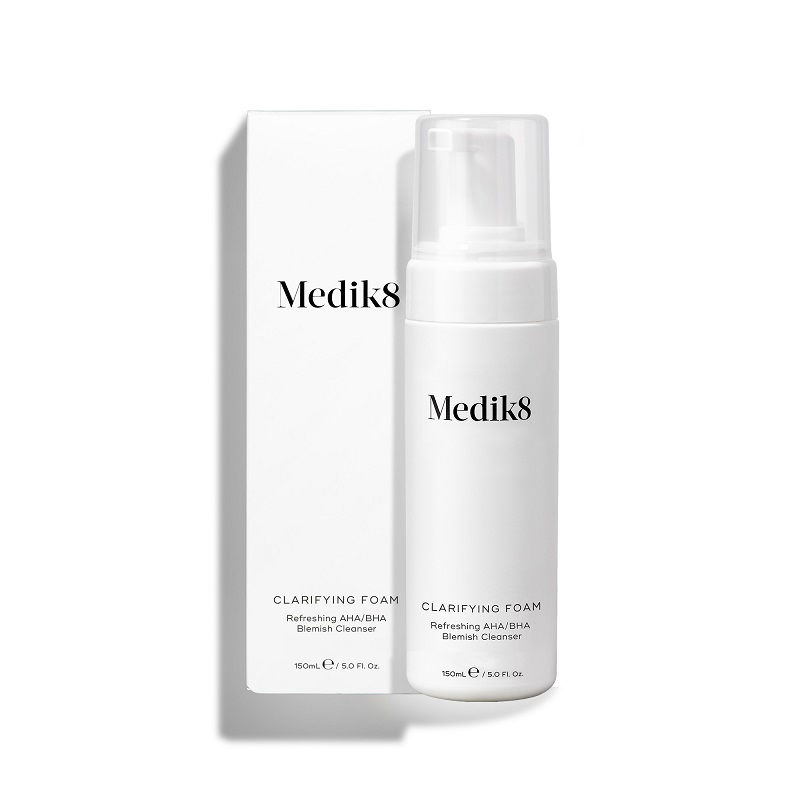
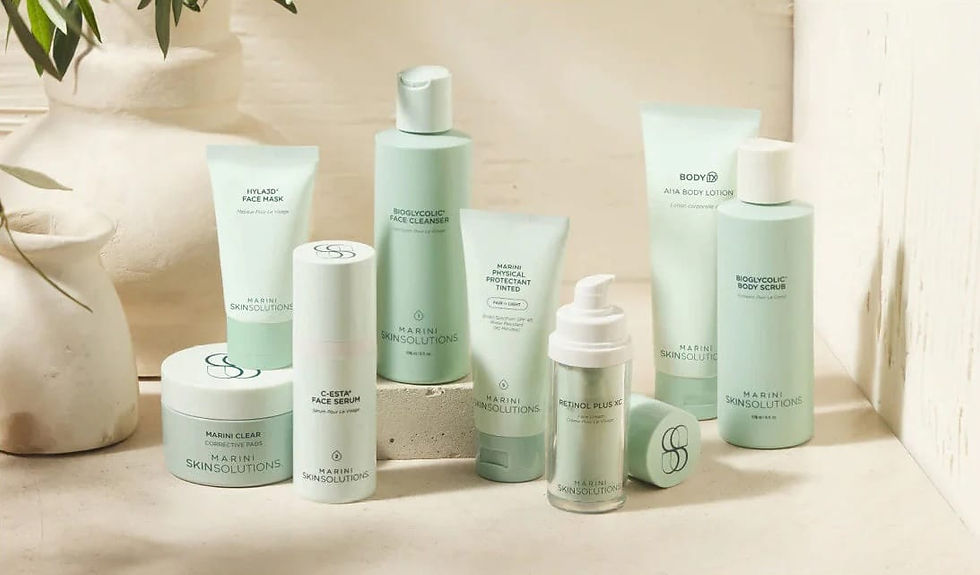
The right home routine does much of the heavy lifting between clinic visits. We stock the medical-grade acne ranges from Obagi Medical, Jan Marini and Medik8 — salicylic and glycolic acids, retinoids, niacinamide and targeted blemish treatments — chosen for their clinical evidence in clearing congestion and calming breakouts.
Some of the most effective options are prescription-only and aren't sold openly online; these are arranged after a consultation so your routine is matched to your skin and used safely. The products below are available to shop now — and if you're unsure what suits your skin, take our online skin consultation and - if approved, you will gain access to prescriptive products.




Understanding acne
What is acne?
Acne is a common skin condition that develops when pores become blocked with oil (sebum) and dead skin cells, allowing bacteria to multiply and inflammation to build. It ranges from blackheads and whiteheads to red, painful spots and deeper cysts, and most often affects the face, chest, shoulders and back. Because acne behaves differently from person to person — and because the wrong products can make it worse — an in-person assessment matters before any treatment is recommended.
Why acne happens
Several factors drive breakouts, and most cases are a combination:
Excess oil — overactive sebaceous glands, often hormonally driven, leave pores prone to blocking.
Hormones — puberty, periods, the pill, PCOS and stress can all trigger or worsen breakouts.
Blocked pores — a build-up of dead skin cells traps oil and bacteria beneath the surface.
Bacteria & inflammation — C. acnes bacteria multiply in blocked pores, turning spots red and sore.
Genetics — if acne runs in your family, you're more likely to experience it yourself.
Lifestyle factors — some products, friction, diet and over-washing can all aggravate already-prone skin.
Understanding the trigger is half the treatment — addressing the cause is what stops new breakouts forming while we clear the ones you already have.
Our approach to treating acne
Acne responds best to a consistent, layered plan, not a single product. At Sebastian Rose, your treatment is led by a prescribing medical practitioner and usually combines:
A prescriber-led skincare routine — medical-grade actives chosen for your acne type, with prescription-strength options where appropriate.
In-clinic treatments — chemical peels, medical microneedling and regenerative skin boosters to clear congestion, calm inflammation and improve post-acne marks and texture.
Long-term maintenance — barrier care and daily SPF, because managing acne is as much about preventing the next breakout and fading marks as it is about clearing today's.
Results with acne are gradual and built over weeks to months — there is no overnight fix, and anyone who promises one should be treated with caution. What we offer is a realistic, medically sound plan with visible, lasting improvement.
Why choose a medically-led clinic
Acne can be made worse by the wrong treatment. Harsh products, over-exfoliation or unsuitable devices can strip the skin barrier, drive more inflammation and increase the risk of marks and scarring — particularly in deeper skin tones. At Sebastian Rose, your skin is assessed and prescribed for by an NMC-registered Independent Nurse Prescriber with over 20 years of clinical experience, so your plan is both effective and safe. It's the difference between fighting breakouts and actually getting them under control.
Acne treatment FAQs
Can acne be cured completely?
Acne can be very effectively controlled and cleared, but it's a condition that's managed rather than permanently "cured" — especially hormonal acne, which can return if the underlying triggers aren't kept in check. A good plan clears active breakouts and keeps them away with the right ongoing routine.
How long does it take to see results?
Acne improves gradually. Most people notice changes within 6–12 weeks of consistent treatment, with continued improvement over several months. Skin can sometimes look worse for a short while as it adjusts to actives like retinoids — this settles, and consistency is what makes results stick.
What's the best treatment for hormonal acne?
There's no single answer — hormonal acne is best managed with a tailored combination of medical-grade skincare, prescription-strength options where appropriate and, in some cases, in-clinic treatments. Because it's driven by internal triggers, a consultation comes first so your plan is matched to your skin.
Are retinoids and benzoyl peroxide safe to use?
Both are well-studied, effective acne ingredients and are safe when used correctly. They can cause dryness or irritation if introduced too quickly, which is why we guide you on strength and how to build them into your routine. Prescription-strength options are only recommended and supplied under the supervision of a prescriber.
Will my acne come back?
It can, particularly with hormonal triggers or if treatment stops too soon. That's why maintenance is built into every plan — keeping the skin clear is part of the treatment, not an afterthought.
Do I need a consultation before buying products?
For our open-shelf skincare, no — you can shop those directly. For prescription-strength options, and for any in-clinic treatment, yes: a consultation lets us match the right approach to your skin safely.
Can you treat acne scarring and marks?
Yes. Once active acne is under control, we treat the marks and texture left behind — red and brown post-acne marks and uneven texture — with treatments such as medical microneedling, peels and skin boosters. True scarring is treated differently from surface marks, and we'll set out a realistic plan at your consultation.
Is acne just a teenage problem?
Not at all. Adult acne is very common, particularly in women, and often looks different from teenage acne — deeper, more hormonal and concentrated around the jaw and chin. It responds well to treatment at any age.
Does diet cause acne?
Diet isn't usually the sole cause, but for some people high-sugar or high-dairy diets can be a contributing factor. We focus on what's clinically proven to help your skin rather than blanket restrictions.