
MEDICALLY LED CARDIFF
Texture & acne scarring treatment in Cardiff
Rough texture, enlarged pores and the marks acne leaves behind — assessed honestly and treated with a medically-led plan
Most people who come to us about scarring don't have scarring. They have post-acne marks — flat red or brown patches that look permanent and aren't. That distinction matters more than anything else on this page, because marks fade with the right skincare and time, while true scarring is a change in the structure of the skin and needs treatment that works below the surface. The two look similar in a bathroom mirror and behave completely differently. Working out which you have is where treatment starts.

MEDICAL-GRADE SKINCARE FOR TEXTURE & SCARRING
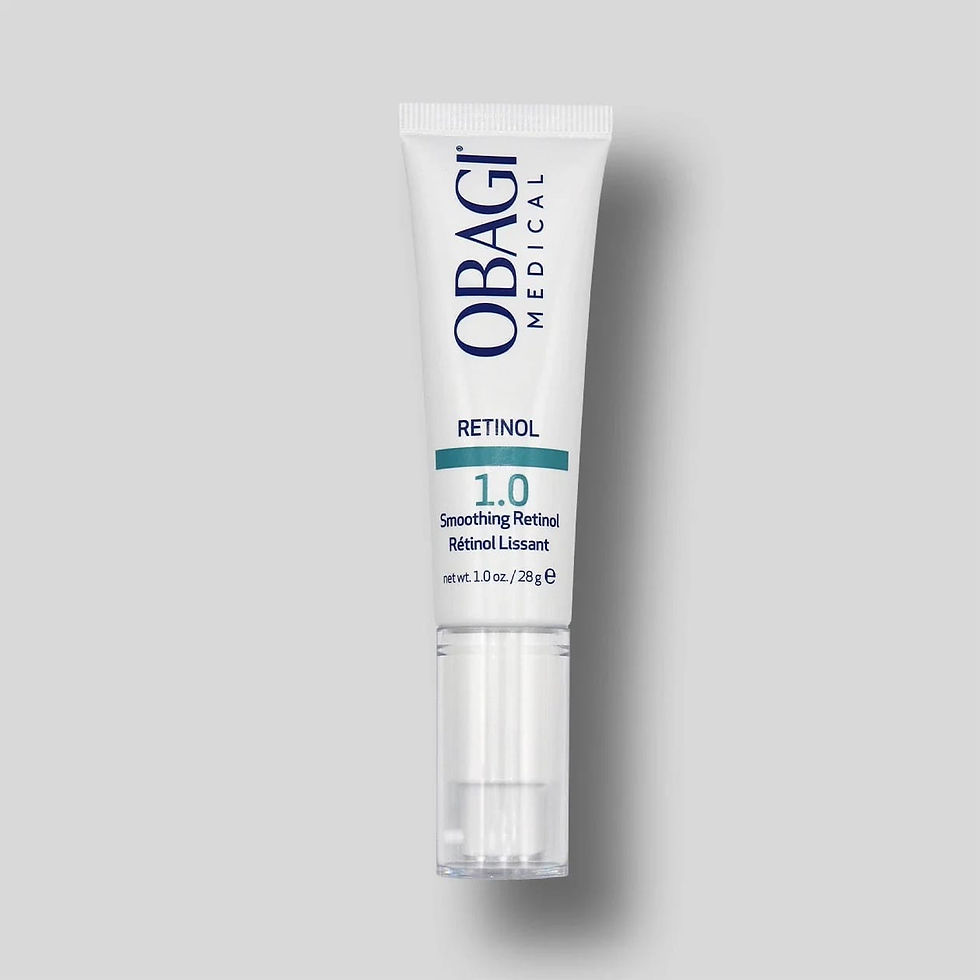
Skincare is what fades marks and refines texture between clinic visits — and for post-acne marks specifically, it does most of the work on its own. We stock the resurfacing ranges from Obagi Medical, Jan Marini and Medik8: glycolic and salicylic acids, retinaldehyde, niacinamide and vitamin C, alongside the daily SPF that stops marks darkening again while they fade.
Some of the most effective options are prescription-only and aren't sold openly online; these are arranged after a consultation so your routine is matched to your skin and used safely. The products below are available to shop now — and if you're unsure what suits your skin, take our online skin consultation and, if approved, you will gain access to prescription products.


Understanding texture & scarring
What's the difference between a mark and a scar?
A mark is a colour change in skin that is structurally intact. Inflammation triggered either extra pigment or dilated vessels, and both resolve over time. Run a finger over it and the skin feels flat.
A scar is a change in the skin's structure. Collagen was either destroyed during healing, leaving an indentation, or overproduced, leaving a raised area. The surface is no longer level, and no amount of brightening product will change that — it needs treatment that stimulates remodelling in the dermis.
The practical test is light. Marks look the same from every angle. Scars appear and disappear as the light moves, because what you're seeing is shadow.
Why texture and scarring happen
Several factors determine whether skin heals smoothly, and most cases are a combination:
Depth and duration of inflammation — the deeper and longer-lasting the spot, the more likely it damages the collagen around it. Cystic acne carries by far the highest risk.
Delayed treatment — acne left untreated for years scars more than acne treated early. This is the single most modifiable factor.
Picking and squeezing — it extends inflammation deeper into the skin and converts marks that would have faded into scars that won't.
Genetics — some people scar readily and others don't, with the same severity of acne. Keloid tendency in particular runs in families.
Skin type — deeper skin tones are more likely to develop pigmented marks and raised scarring; lighter skin tones more often show persistent redness.
Sun exposure — UV darkens marks and prolongs how long they take to fade, and it degrades the collagen you're trying to rebuild.
Age and cell turnover — skin renews more slowly over time, so both marks and roughness persist longer than they once did.
Preventing new damage is part of the treatment, because there's little point remodelling old scarring while fresh inflammation keeps creating more.
Our approach to treating texture and acne scarring
Scarring is the concern where in-clinic treatment does most of the work, but only in the right order. At Sebastian Rose, your treatment is led by a prescribing medical practitioner and usually combines:
Getting active acne under control first — treating scars while new spots are still forming is money spent on a moving target. If acne is still active, that comes first.
Medical microneedling — controlled injury that stimulates collagen remodelling, the mainstay for atrophic scarring. It works over a course, not a single session.
Chemical peels — resurfacing to improve tone, roughness and superficial marks, with depth chosen according to your skin type.
Regenerative skin boosters — to improve overall skin quality and support collagen alongside resurfacing work.
A prescriber-led skincare routine — retinoids and pigment-targeting actives to fade marks and maintain results, with prescription-strength options where appropriate.
Scarring treatment is measured in courses and months. Expect three to six microneedling sessions spaced four to six weeks apart before judging results, with collagen continuing to remodel for months afterwards. Realistic improvement is significant — often a genuine change in how skin photographs and how it looks in unforgiving light — but it's improvement, not erasure. Anyone offering to remove acne scarring completely in one session is selling something we wouldn't.
Why choose a medically-led clinic
Scarring is the concern where the wrong device causes lasting harm. Treatments that improve indented scarring can worsen raised and keloid scarring. Aggressive resurfacing in deeper skin tones is a leading cause of post-inflammatory hyperpigmentation that is harder to treat than the scarring it was meant to fix. Treating scars while acne is still active wastes both money and time. And some marks that look like scarring are something else entirely and need recognising rather than resurfacing. At Sebastian Rose, your skin is assessed and prescribed for by NMC / GMC experts with over 20 years of clinical experience, so your plan is both effective and safe.
Texture and scarring treatment FAQs
Are my marks scars or will they fade?
If the skin surface feels flat and the mark looks the same from every angle, it's a mark and it will fade. If it catches shadow when the light moves across your face, it's textural. Most people have both, and we'll show you which is which at consultation.
How long do post-acne marks take to fade?
Six to twelve months left alone. Considerably faster with the right actives and consistent SPF — often three to four months. Brown marks generally take longer than red ones, and sun exposure will stall the whole process.
Can acne scarring be removed completely?
Realistically, no. Significant improvement is achievable and often transformative in how skin looks day to day, but complete erasure isn't a promise anyone honest will make. We'll be specific at consultation about what your particular scarring is likely to do.
How many microneedling sessions will I need?
Usually three to six, spaced four to six weeks apart, with collagen continuing to build for several months after the final session. Judging results before the course is complete is the most common reason people give up too early.
Can pores be made permanently smaller?
Pore size itself is genetic. What can change is how visible they are — pores stretched by congestion or slackened by collagen loss can be visibly refined, and that's usually what people are actually seeing. Chemical peels are great for cleaning out pores, which may be making them appear larger.
I have a deeper skin tone — is resurfacing safe?
Yes, with proper assessment and a more conservative approach. Deeper skin tones are at higher risk of post-inflammatory pigmentation from aggressive resurfacing, and of raised scarring. That changes which treatments we use and at what intensity, not whether we can treat you.
Should I treat my acne first?
Almost always yes. Scar treatment while acne is active means remodelling old damage while new damage forms. We'd rather get the acne stable first and spend your money once.
Do I need a consultation before buying products?
For our open-shelf skincare, no — you can shop those directly. For scarring specifically a consultation matters more than usual, because whether you need products or procedures is the whole question.