
MEDICALLY LED CARDIFF
Lines and loss of firmness treatment in Cardiff
Fine lines, crepey texture and skin that's stopped bouncing back — assessed and planned by a medical practitioner, not sold as a single treatment
Ageing doesn't happen to one part of the face at a time, and it isn't one process. Lines form where skin folds repeatedly. Firmness goes as collagen and elastin decline. Structure changes as fat pads shift and bone remodels underneath. These need different answers, and treating one while ignoring the others is why some people end up looking treated rather than looking well. The starting point is working out which of them is actually driving what you see in the mirror.

MEDICAL-GRADE SKINCARE FOR LINES & FIRMNESS
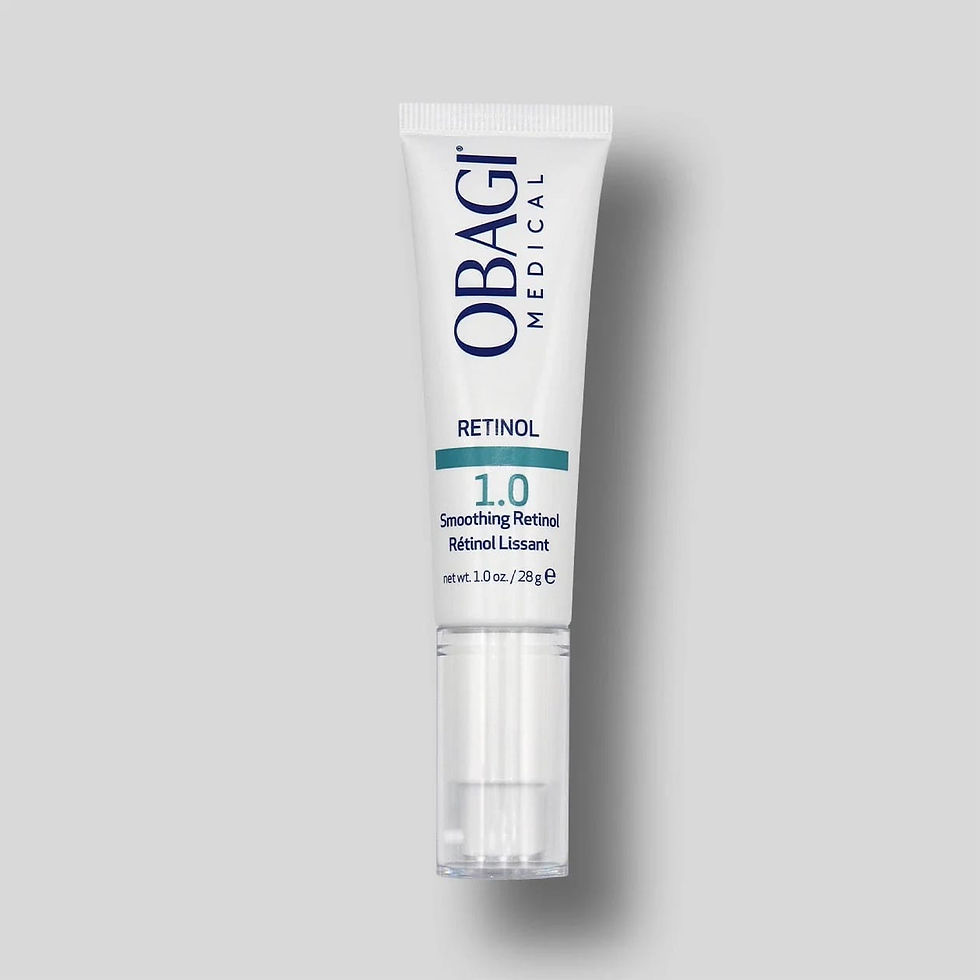
Skincare is what maintains and extends everything else you do — and for skin quality specifically, it does more than most people expect. We stock the anti-ageing ranges from Obagi Medical, Jan Marini and Medik8: retinaldehyde and retinol, peptides, growth factors, vitamin C and hyaluronic acid, alongside the daily SPF that is comfortably the most effective anti-ageing product you will ever buy.
Some of the most effective options are prescription-only and aren't sold openly online; these are arranged after a consultation so your routine is matched to your skin and used safely. The products below are available to shop now — and if you're unsure what suits your skin, take our online skin consultation and, if approved, you will gain access to prescription products.




Understanding facial ageing
Why does skin lose firmness?
Collagen production begins declining in the mid-twenties and continues at roughly one percent a year, accelerating around the menopause. Elastin, which gives skin its recoil, is barely replaced at all once you're an adult — the elastin you damage is largely gone for good.
Underneath that, the face is changing structurally. Fat compartments that sit neatly stacked in youth shrink and slide downward. The bones of the orbit and jaw remodel, which alters the framework everything else sits on.
So what reads as "sagging" is usually three things at once: less collagen in the skin, less volume beneath it, and a changed foundation under that. It's why the most natural results come from addressing several layers modestly rather than one layer aggressively.
Why lines and laxity happen
Several factors drive facial ageing, and most cases are a combination:
UV exposure — responsible for the large majority of visible ageing. It degrades collagen and elastin directly, and it's the one factor almost entirely within your control.
Repeated muscle movement — expression lines are folds that eventually set. This is why they appear where you're most expressive.
Collagen and elastin decline — steady from the mid-twenties, sharper after the menopause as oestrogen falls.
Volume and bone change — fat pads shrink and descend; facial bone remodels. Structural, not superficial.
Smoking — accelerates collagen breakdown substantially and produces a characteristic pattern of fine lines.
Sleep, stress and blood sugar — all influence collagen quality and skin repair, less dramatically than UV but measurably.
Genetics — determines a good deal of when and how you age, including bone structure and skin thickness.
Sun protection is the single highest-return intervention on this list, and it's the one people most consistently underestimate.
Our approach to treating texture and acne scarring
The most natural results come from treating several layers modestly rather than one layer heavily. At Sebastian Rose, your treatment is led by a prescribing medical practitioner and usually combines:
A prescriber-led skincare routine — retinoids, antioxidants and peptides to improve skin quality, with prescription-strength options where appropriate. This is the foundation and it isn't optional.
Daily SPF — the most effective anti-ageing product available, and the thing that protects every other investment you make.
Regenerative treatments — medical microneedling, skin boosters and collagen-stimulating treatments to improve firmness and texture over a course.
Dermal filler where structure has changed — used to restore support in the midface, chin and jawline rather than to fill lines individually. Priced per millilitre and planned around your face at consultation.
Injectable treatment options — discussed at consultation, where appropriate to your assessment.
Collagen-based results build slowly: expect three to six months before regenerative treatment shows its full effect, with improvement continuing beyond that. Structural treatment shows sooner. The aim throughout is that you look rested and like yourself, not treated — which usually means doing less than people expect at each appointment and building over time. What we offer is a realistic, medically sound plan with visible, lasting improvement.
Why choose a medically-led clinic
This is the area of aesthetics with the widest gap between good and bad practice. Overfilled faces are the result of treating each line individually rather than assessing the structure underneath. Injectable treatments carry real risks — vascular occlusion among them — that require both anatomical knowledge and the ability to manage a complication if it happens. In Wales you currently need a licence to pierce an ear, and none at all to inject a face. At Sebastian Rose, your skin is assessed and prescribed by NMC / GMC experts with over 20 years of clinical experience, including emergency medicine, so your plan is both effective and safe.
Ageing and loss of firmness FAQs
What's the best age to start?
There isn't one, but prevention is easier than correction. Daily SPF and a retinoid in your twenties and thirties does more for how you'll look at fifty than anything you can have done at fifty. Treatment should be driven by what you see, not by a birthday.
Will treatment make me look different?
That depends entirely on how it's done. The aim is that people notice you look well rather than noticing you've had something done. Overtreated faces are the result of chasing individual lines instead of assessing the whole face — which is why we plan conservatively and build gradually.
How long until I see results?
Structural treatment shows within days to a couple of weeks. Collagen-stimulating treatment builds over three to six months and keeps improving after that. Skincare shows meaningful change at around twelve weeks. Anything promising a dramatic result overnight is either temporary or overstated.
Does skincare actually make a difference to wrinkles?
For skin quality, texture and fine lines, yes — measurably, particularly retinoids and consistent sun protection. For deep static lines and structural change, no. Skincare improves the canvas; it doesn't rebuild the frame.
Is there anything that genuinely tightens skin without injections?
Collagen-stimulating treatments and consistent retinoid use both improve firmness gradually. They won't replicate a surgical result, and treatments marketed as non-surgical facelifts generally overpromise. We'll be honest at consultation about where the ceiling is for your skin.
What about the neck and décolletage?
Both age faster than the face and get treated less, largely because sunscreen stops at the jawline. Crepey neck skin responds to collagen stimulation and consistent care, though more slowly than facial skin.
Does the menopause change things?
Considerably. Falling oestrogen accelerates collagen loss, and many people notice a marked change in skin firmness and dryness within a few years of the perimenopause. It's worth mentioning at consultation because it affects what we prioritise.
Do I need a consultation before buying products?
For our open-shelf skincare, no — you can shop those directly. For prescription-strength options and any in-clinic treatment, yes: this is the concern where a plan matters far more than any single product.